
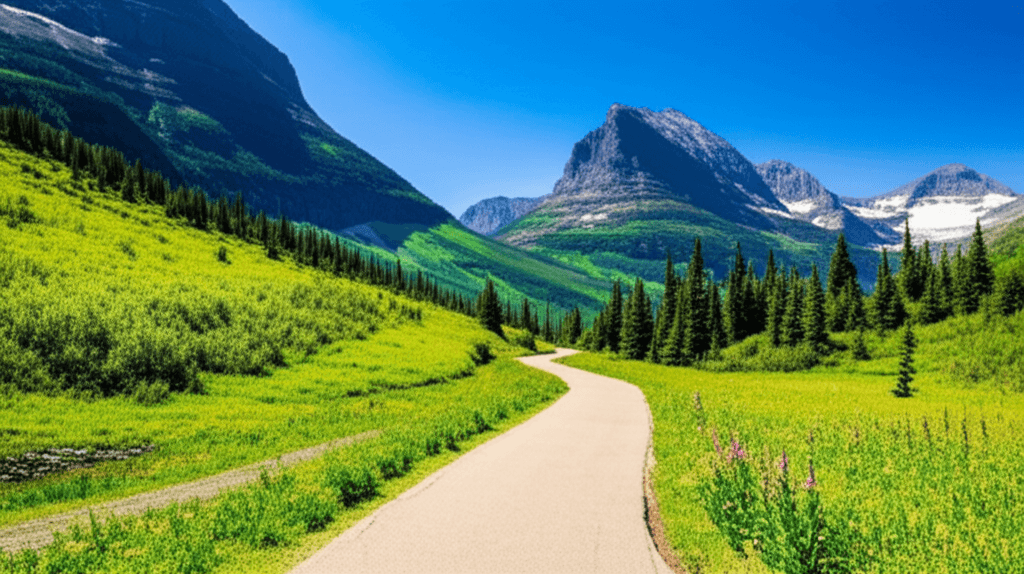
Planning easy hikes at Glacier National Park makes a trip an unforgettable journey full of fresh mountain air, gentle paths, and stunning views. Older adults who want to explore alpine lakes and cedar forests without hard climbs find clear trail options, safety advice, and smart ideas here. This keeps every step feeling safe and enjoyable while soaking up the park’s beautiful scenery. Learn how simple walks can deliver big rewards and turn your visit into something special you won’t forget. Keep exploring to find out how to get the best from your adventure.
Below you will find a selection of trails that suit different levels of mobility and stamina. Each trail note includes distance, surface type, what to expect, and practical tips to help you choose the right route for your energy level and interests. A short walk can still deliver dramatic views and wildlife sightings when planned with care.
What Are The Easiest Trails in Glacier for Older Adults quick list and what makes them easy
Here is a concise list of easy options with what makes them approachable for older adults
- Trail of the Cedars boardwalk, mostly flat, short loop with shade and interpretive signs
- Lake McDonald Lakeshore Trail gentle shoreline walking with options to stop at benches and picnic spots
- Running Eagle Falls short paved path and small waterfall close to the parking area
- St. Mary Falls and lower falls short out and back trail with limited elevation change
- Two Medicine Lake shoreline flat stretches with boat launch areas and picnic facilities
These routes are easy because of limited elevation gain, well maintained footing, proximity to parking, and available rest spots. Each trail can be scaled for time so you can turn back whenever you wish.
Trail of the Cedars and Avalanche Lake what to expect on these classic options
The Trail of the Cedars is a great first stop for older visitors. The surface is a wide boardwalk and packed soil that handles wheelchairs and strollers in good conditions. Shade from large cedar and hemlock trees keeps temperatures lower on warm days. The loop is under a mile and includes interpretive signs that explain local ecology and history.
Why Trail of the Cedars is a reliable choice
Parking is close to the trailhead and the loop can be completed in 20 to 40 minutes. Benches and photo spots make it friendly for frequent rests. If you want a slightly longer walk you can connect to the Avalanche Lake trailhead which begins on the same path.
Avalanche Lake for those who want a modest challenge
Avalanche Lake lies about two to three miles round trip from the Trail of the Cedars trailhead depending on where you start. The route is well maintained but includes some gradual elevation gain and rocky sections near the lake. The destination rewards with a wide, calm lake and cliffs flanking the water. For older adults who use poles and take steady breaks the route is often enjoyable. If the full walk feels long, turning around when comfortable still offers great views.
Lake McDonald Lakeshore and Apgar area comfortable lakeside walking
The Lake McDonald shoreline near Apgar Village provides long flat stretches where older adults can walk for a few minutes or an hour. The surface varies from paved to packed gravel. Lakeshore benches, picnic areas, and easy access to local services make this area low stress.
Tips for a flexible lakeshore visit
- Park near the visitor center or Apgar Village for restrooms and shade
- Bring binoculars for bird watching from a bench if walking gets tiring
- Plan short loops and time your walk for morning or late afternoon to avoid peak sun
Two Medicine and Running Eagle Falls short nature loops that reward with water views
The Two Medicine area has gentle shoreline paths and picnic sites that are simple to walk. The approach to Running Eagle Falls is a very short paved path from a small parking area and offers a close up view of a small curtain of water that flows through a narrow gorge. These options are excellent for visitors who want a nature fix without a long hike.
Because these trails are short and close to parking they are practical for older adults who want to limit exertion while still getting to scenic spots and often wildlife viewing near water.
Practical trip planning tips for older adults in Glacier
Good planning reduces stress and maximizes enjoyment. Check trail conditions at visitor centers the morning you arrive and ask rangers about any temporary closures or heavy debris from storms. Park maps show distances and facilities so you can choose trails that match your stamina. If you want a single resource that lists senior friendly trails and distances you can find out more about suggested routes and local services before you go.
- Pick a trail that offers frequent shade and benches if walking in heat is a concern
- Start early to avoid crowds and afternoon winds that can reduce comfort
- Plan for restroom stops and know where parking is closest to the trailhead
Gear and pacing strategies that make walks comfortable
The right gear is simple but makes a big difference. Shoes with a firm sole and good traction reduce fatigue. Lightweight hiking poles can help with balance on uneven sections. A small daypack with water, snacks, a sun hat, and a light layer keeps you prepared for spring and fall weather swings. If mobility is limited bring a folding seat or choose trails with existing benches so you can rest without sitting on the ground.
- Water is essential even on short walks. Carry at least one liter per person for a morning stroll
- Pack snacks that are easy to eat while stopping for brief rests
- Use a watch or phone timer to set a turnaround point so you enjoy the hike without worrying about how far you have left
Health and safety reminders for older hikers
Check medical conditions and medications before setting out. If you have heart or respiratory conditions choose flat loops and limit pace. Tell someone where you plan to go and what time you expect to return. Cell coverage in Glacier can be unreliable so do not rely on a phone for directions or emergency location. Ranger stations provide the most current safety recommendations and can note areas where wildlife activity is high.
Wildlife encounters can happen even on short trails. Keep a respectful distance and never feed animals. If you see a bear or moose from a distance move slowly back to a vehicle or group space. Carry bear spray in the park and know how to use it. Taking a short orientation with park staff can increase confidence before walking.
Season and weather considerations that affect trail choice
Trail conditions change through spring to fall. Snow can linger on shaded sections into summer. Many trails listed as easy are best from mid June through September when melt and maintenance clear routes. Early season walks may have wet or muddy sections so waterproof footwear helps. In late season watch for short daylight hours and colder temperatures.
Heavy rain can make rocky surfaces slippery and increase stream flow near crossings. If a trail becomes wet and hazardous it is wise to choose a different short loop where footing is predictable and services are nearby.
Choosing which paths to try comes down to comfort level and the type of scenery you want. For older adults the most rewarding walks are those that match physical ability with desired sights. A 30 minute loop with a lake view can be as satisfying as a long day hike. Bring practical gear, check with park staff, and pick routes with close parking and rest stops for the most relaxed experience.
In summary, Glacier National Park has many trails that are friendly to older adults. Prioritize short distances, limited elevation change, smooth footing, and proximity to amenities. Use the tips above to prepare and choose the right pace. If you want to plan a day that balances ease with memorable views start by picking one or two short loops and build in time for rest and photography. Enjoy the fresh air and mountain views and consider a return visit to try a different gentle trail the next time you travel to the area. When you are ready to choose specific senior friendly routes and local services click the resource linked earlier to get details and maps. Take small steps, allow extra time, and plan for comfort so that each walk becomes a highlight.


